


When even what used to bring joy leaves you cold. How apathy differs from tiredness, when you must see a doctor and how to help yourself.
Apathy is not sadness and it is not tiredness. People describe it as emptiness: “I am not interested any more”, “I do not want anything”, “I do things because I have to, but I feel nothing.” What used to bring joy leaves you indifferent. And that is exactly why apathy is so treacherous: a person does not even have the strength to look for help.
Safety first
Apathy can be a sign of depression. If it lasts longer than a couple of weeks, if it is hard to get out of bed, if you do not want to eat or see people, you must see your GP. Bioenergy healing complements a doctor, but it does not replace one. If you have thoughts that it would be better not to live, call 112 straight away or a crisis line (in Lithuania, Vilties linija 116 123). The people who answer there will listen.
How apathy differs from tiredness
A tired person wants to rest, and once rested, wants to get going again. An apathetic person no longer even wants rest. Holidays bring no joy, the weekend passes as if through a fog. We usually feel tiredness in the body, while apathy feels like a desire that has gone out.
What can put the desire out
In my experience, apathy often comes after a long period in which a person lived a life that was not their own: did a job they hated, cared for others for a long time and forgot about themselves, lived in a tense relationship. The energy simply ran out, and the soul seems to have “switched off” to protect itself. Sometimes an unprocessed loss or guilt hides beneath apathy. Sometimes the place plays a part: a geopathic zone under the bed takes away strength and desire over time. And there can be someone else’s heavy energy, after which a person feels as if wrapped in a grey cloud.
Small steps that help
Do not wait for the desire to appear. With apathy, desire comes after action, not before it. Choose one small thing a day: a ten minute walk, a shower, a call to a friend. Spend as much time outdoors as you can, especially in daylight and in nature. Keep a simple sleep rhythm. Write down whatever makes you feel even slightly better, even if it is a small thing. And tell at least one person close to you how you really feel. Apathy likes silence. Once it is named out loud, things often become a little easier.
How to help someone close to you
Often it is not the apathetic person who calls me, but their loved ones. They see someone dear fading, but do not know how to reach them. The most important thing is not to push and not to judge. Words like “pull yourself together” or “others have it worse” only close them up further. It is much better simply to be there, to suggest a walk together, to make a meal, to help with small household tasks. Gently encourage them to see a doctor; you can offer to drive them. If the person agrees, I can also work remotely from a photo, but they must agree first themselves. I do not work against a person’s will, because change only happens when the person themselves wants things to become easier.
When is "I don't want to do anything" normal, and when is it a warning sign?
Usually normal when:
- it follows a big project, an exam, a move or an illness;
- it lasts a few days and slowly lifts;
- some things still bring a little pleasure.
A reason for concern when:
- it lasts longer than two weeks;
- nothing brings any joy at all, even things you loved;
- your sleep or appetite has changed a lot;
- you have thoughts that nothing matters, or that it would be better not to live.
In the second case, see your doctor or a psychologist first. If you have thoughts of harming yourself, the Lithuanian lines are Vilties linija 116 123 (around the clock) and Jaunimo linija 8 800 28888 for young people, or 112 in an emergency; abroad, call your local emergency number.
A day plan for when you want nothing
- Morning: open the curtains and a window, drink a glass of water.
- First hour: wash and get dressed, even if you are not going anywhere.
- Before noon: step outside for at least five minutes.
- Midday: eat something warm.
- Afternoon: do one tiny task, such as washing a cup or answering one message.
- Evening: message or call one person.
- Before bed: screens off for half an hour, and go to bed at a similar time.
Doing only part of it still counts. If apathy follows a long period of overwork, read about feeling drained of energy.
How to tell your strength is coming back
Apathy rarely lifts all at once. The first signs are small and easy to miss: you feel like tasting something again, a walk outside tempts you, you laugh at a joke, you start planning next week. Write them down, so that on a harder day you can remember you are moving forward.
How I can help
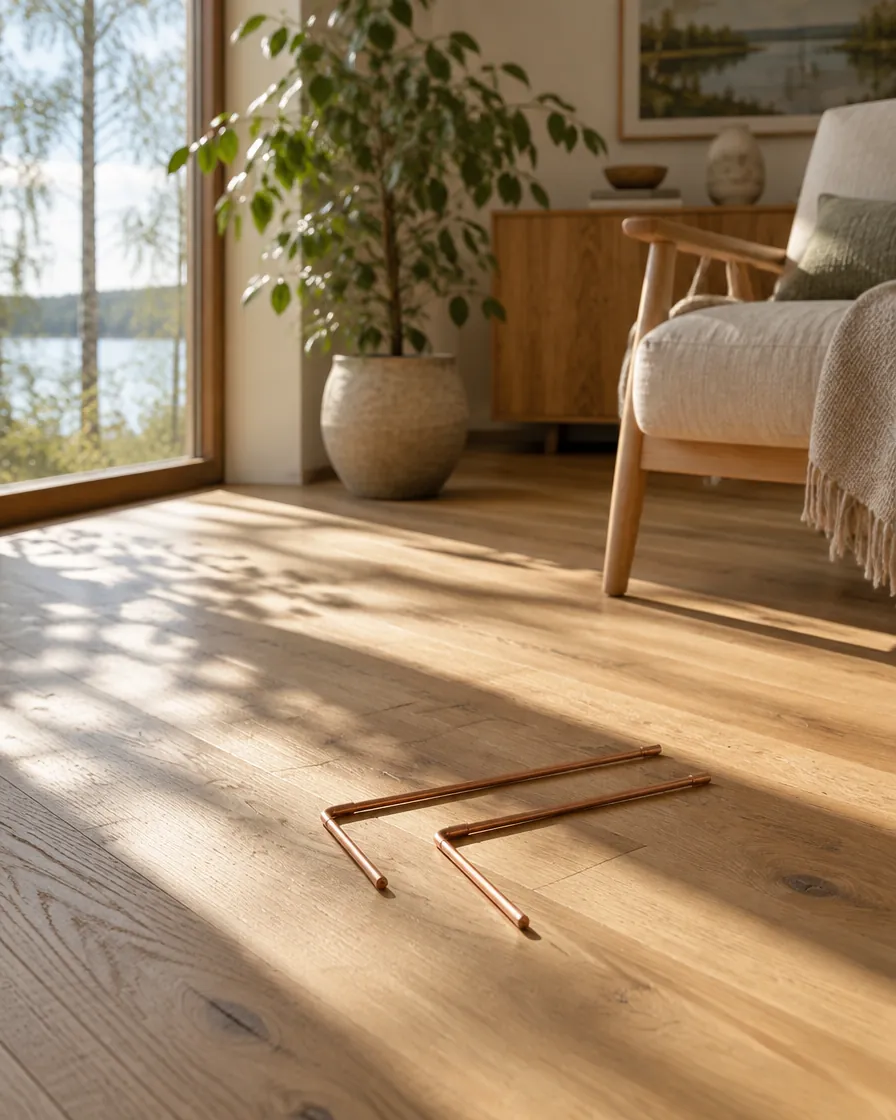
During diagnostics I look for what put out your desire: exhaustion, an old fear or guilt, a loss, a place or someone else’s energy. I correct this, and if needed I also check your home with a dowsing rod. After a session people often feel lighter, but we also talk about what to change in daily life so that the energy does not drain away again.
If you feel that your desire to live fully has gone out, book a consultation. We can meet in Kaišiadorys or work remotely if it is hard for you to leave the house.
Frequently asked questions
In my experience, desire usually fades after a long stretch of living a life that is not your own: overwork, caring for others while forgetting yourself, living under strain. Unprocessed grief, guilt, poor sleep or the place you live can add to it. Apathy can also be a sign of depression or another illness, so if it lasts more than two weeks, see a doctor.
Not necessarily. Apathy can be a temporary state of exhaustion, but it is also one of the common signs of depression. Only a doctor or psychologist can tell them apart, so please do not try to decide on your own. Bioenergy work can complement treatment but never replaces it. Never stop prescribed medication without your doctor.
Sometimes, in my experience. A geopathic zone under the bed can slowly sap strength, disturb sleep and dull motivation. Try sleeping in a different spot for a few nights and notice any difference. If you feel a change, it may be worth having the home checked with a dowsing rod. Still, a place is rarely the only cause.
Yes. I work remotely from a photo by phone, WhatsApp or Messenger, and the consultation is the same as in person: 1 to 1.5 hours, 200 €. If you are unsure whether you need it, you can start with a short express phone consultation for 50 €. What matters is that you yourself agree to it.

Through diagnosis I help you understand the causes of feeling unwell and of repeated setbacks. During correction your original inner state is restored: anxiety, fear and heaviness simply let go.
Learn more →