

Panic attacks are frightening, but they can be managed. How to calm down during a panic attack, when to see a doctor and how I can help.
Panic attacks often come out of nowhere. In a shop, at the wheel, at night in bed. Suddenly your heart starts pounding, you cannot get enough air, your head spins, your hands shake, and it seems you are about to faint, lose your mind or even die. After a few minutes, or a quarter of an hour, it passes, but the fear that it will happen again stays. Having worked with people since 2010, I have heard many such stories. In this article I will explain how to calm down during a panic attack, when you must see a doctor, and where bioenergy can offer extra support.
What happens during a panic attack
During a panic attack the body reacts as if there were great danger, even though there is none. The heart beats faster, breathing becomes shallow, the muscles tense. It is very unpleasant, but the attack itself passes. Usually it peaks within a few minutes and then slowly subsides. The body cannot hold that level of tension for long, so the wave always settles. The most important thing to know is this: the more you fight it and fear it, the stronger it becomes. When you accept that it is a wave that will rise and fall, it passes more quickly. Even so, the first time you have such symptoms you must get checked by a doctor, because heart problems and other illnesses can feel similar.
Why panic attacks happen
Often the first attack comes not at the hardest moment but a little later, when it seems everything is already over. After long stress at work, after a loss, a divorce, illness in the family, or simply after months of living without rest. The body held the tension for a long time, and then it breaks out. Insomnia, a lot of coffee, alcohol, some medications or thyroid problems can also play a part, which is why a doctor should assess your health. After the first attack a fear of fear often appears: the person starts watching their heart and breathing and avoiding places where they felt bad. This constant alertness can in turn trigger new attacks. So it is important not only to learn to calm down during an attack, but also to lower the overall tension between them.
How to calm down during a panic attack
First, slow breathing. Breathe in through your nose while counting to four, hold briefly, then breathe out slowly through your mouth while counting to six. The long out breath is what matters most, as it signals to the body that it can settle. Repeat for a few minutes. The second method is called 5-4-3-2-1. Look around and name five things you can see, four you can touch, three sounds you can hear, two smells and one taste. This brings your attention back from fear to the here and now. Simple things help too: plant your feet firmly on the floor, hold something cold in your hands, splash your face with cool water. Say quietly to yourself: “This is panic. It is not dangerous. It will pass.”
When panic attacks keep coming back: what to do between them
Between attacks the body needs calm and rhythm. Cut down on coffee and energy drinks, as they can cause similar sensations. Sleep enough and move every day, even if it is just a walk. Practise slow breathing for a few minutes daily while you are calm, so that it comes more easily during panic. Try not to avoid places where an attack happened, because avoidance only feeds the fear. Write down when attacks happen and what came before them. This will help both you and a specialist. Tell at least one person close to you about the attacks, so they know how to help: stay near you, speak calmly and breathe slowly together with you.
When you must see a doctor
If panic attacks keep recurring, or if because of them you have started avoiding shops, public transport or leaving the house, see your family doctor, a psychiatrist or a psychotherapist. Panic disorder responds well to treatment, especially cognitive behavioural therapy and sometimes medication. If you already take prescribed medication, do not stop it on your own. If you feel chest pain, severe breathlessness, or the symptoms are different from usual, call 112. If hopelessness or thoughts of suicide come together with the panic, do not wait: in Lithuania, the Hope Line (Vilties linija) 116 123, day and night, the Youth Line (Jaunimo linija) 8 800 28888, day and night, emergency help 112. If you live abroad, call your local emergency number. Bioenergy does not replace a doctor or psychotherapist. It can only be additional support.
How I see panic from the energy side
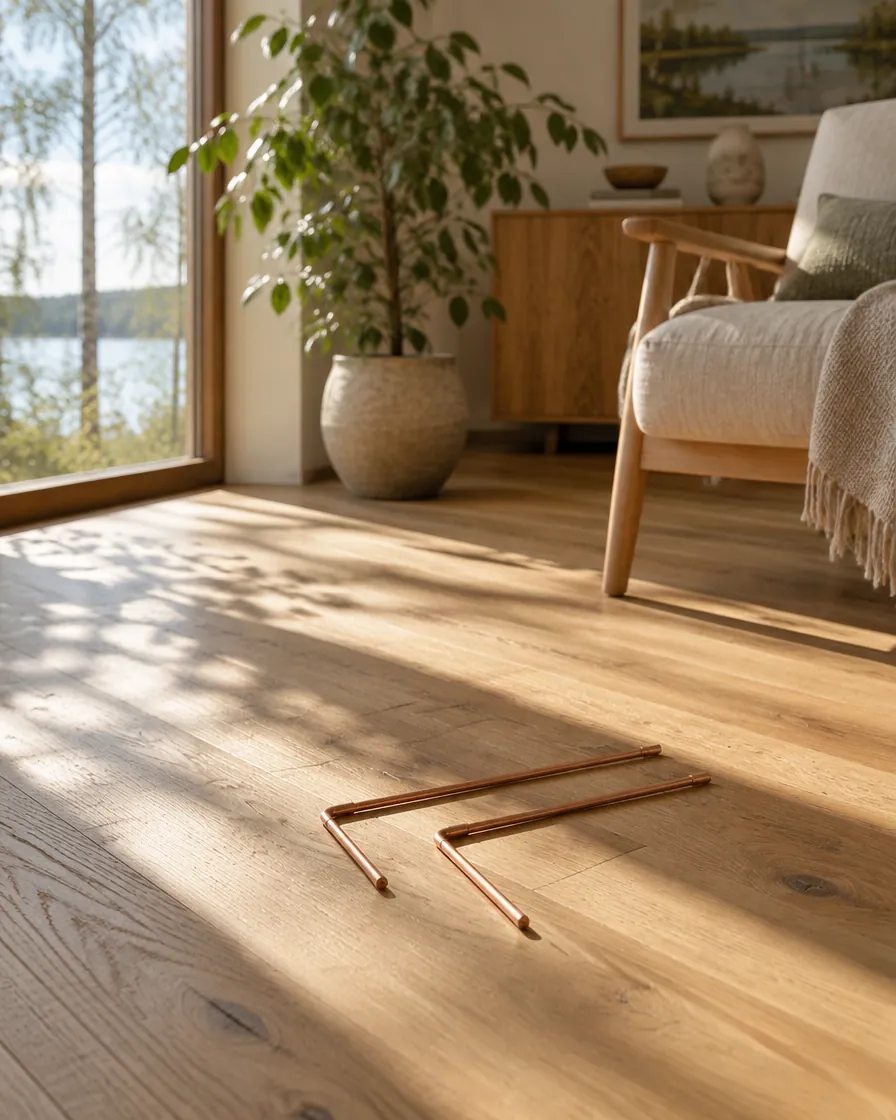
People who come to me alongside their treatment often say they feel as if they are constantly tense, as if anxiety lived somewhere in their chest, waiting for a chance to break out. During diagnostics with a dowsing rod I sometimes find old frights that were never released, someone else’s heavy energy after conflicts, sometimes traces of the evil eye. Sometimes the attacks are stronger at home, and then it is worth checking whether the person sleeps in a geopathic zone that does not let the body rest. This is not the medical cause of panic, but such things can add to the overall tension.
How I can help
During bioenergetic diagnostics and correction I look for what is keeping you energetically tense and release it. There is nothing to prepare and nothing to prove. You sit calmly, I work with the dowsing rod and tell you what I see. If there is a suspicion about your home, I can check the bedroom too. After a session people often say there is more room in their chest, breathing is easier and sleep is calmer. A session lasts from an hour to an hour and a half. We can meet at my studio in Kaišiadorys, Gedimino g. 109, next to Rimi, halfway between Kaunas and Vilnius. If travelling is hard for you, I can work remotely from a photo, by phone, WhatsApp or Messenger. If you wish, give me a call. The first phone conversation is free. You tell me what is happening, and I will tell you honestly whether I can be of use alongside your treatment. I promise nothing and rush no one. We will simply talk calmly.
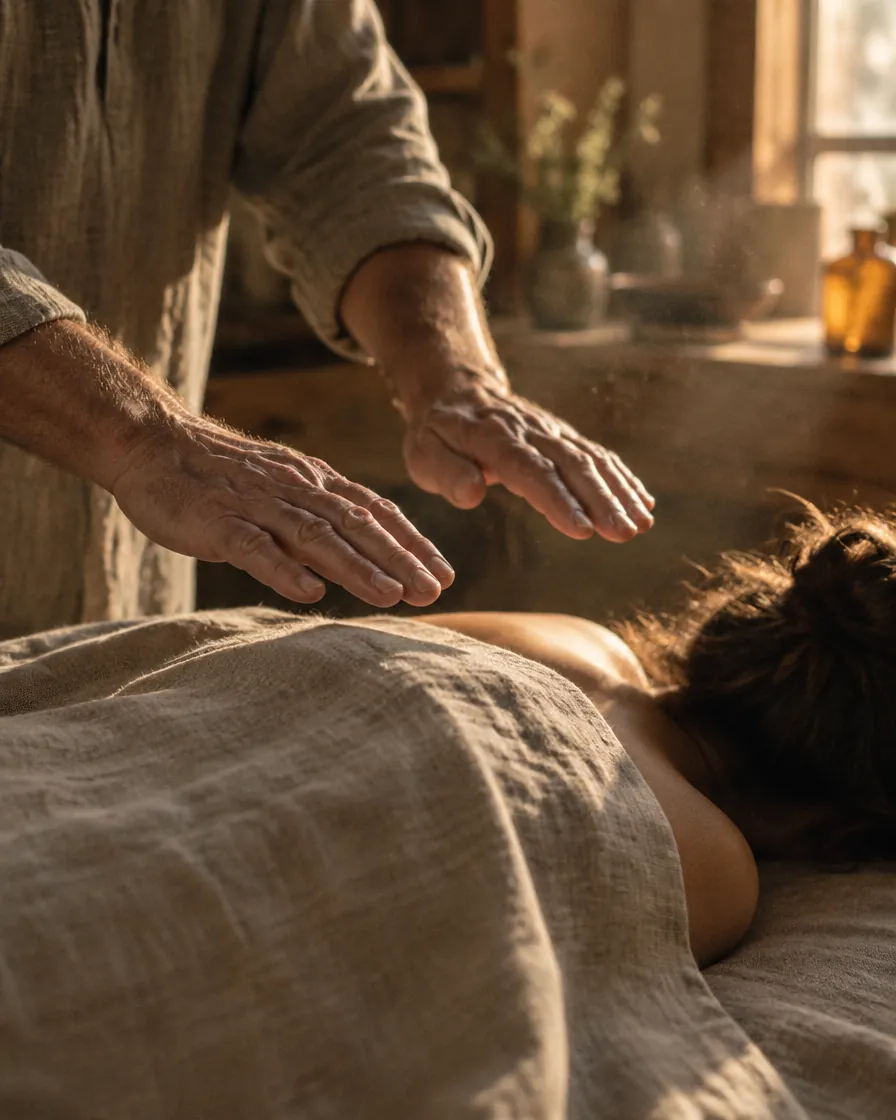
Through diagnosis I help you understand the causes of feeling unwell and of repeated setbacks. During correction your original inner state is restored: anxiety, fear and heaviness simply let go.
Learn more →